Research Design · Researchers, Founders & R&D Teams
Know what you are
actually trying to find out.
Build the research around that.
You can have a promising topic, a stack of papers, and a method in mind and still be building the study around the wrong question. I work with researchers, technical founders, and R&D teams to clarify the problem, sharpen the research question, choose methods that can actually answer it, and work out what the results really support.
Free Research Guide
Before You Choose a Method
How to tell whether you have a real research problem, turn it into an answerable question, and avoid building a study around the wrong thing.
PhD Mechanical Engineering / 8+ Years in Research / 22+ Research Publications / Experimental + Computational Research / Founder, EcoRue
Sound familiar?
Your research is moving. But
something still doesn't quite
hold together.
- –You have a topic or idea that feels important, but you are struggling to define the actual research problem underneath it.
- –You have read paper after paper, but you are still not sure where the real gap is or what question your study should answer.
- –You already have a method, dataset, experiment, or model in mind, but you are not sure whether it can actually answer the question you care about.
- –Your experiments, simulations, or analyses are producing results, but you are struggling to work out what they really mean and what deserves investigation next.
- –Your supervisor, collaborator, or technical team keeps asking you to narrow, justify, or rethink the study, and you are not quite sure where the logic is breaking.
Sometimes the difficulty is not a lack of effort. The problem, question, method, and interpretation have simply stopped lining up somewhere along the way. An outside research perspective can help you see where the logic is breaking, what you may be assuming, and what needs attention before you keep building on it.
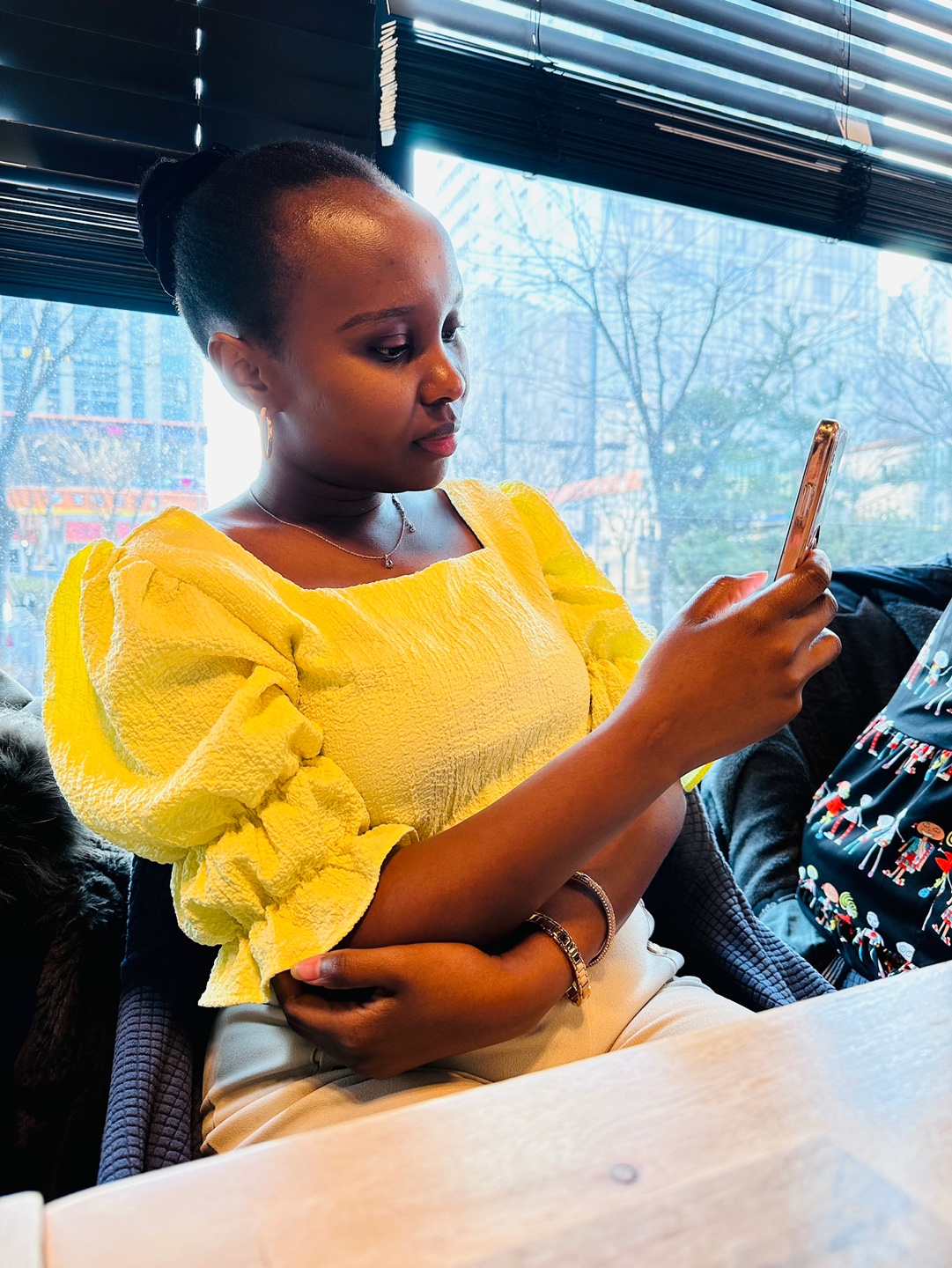
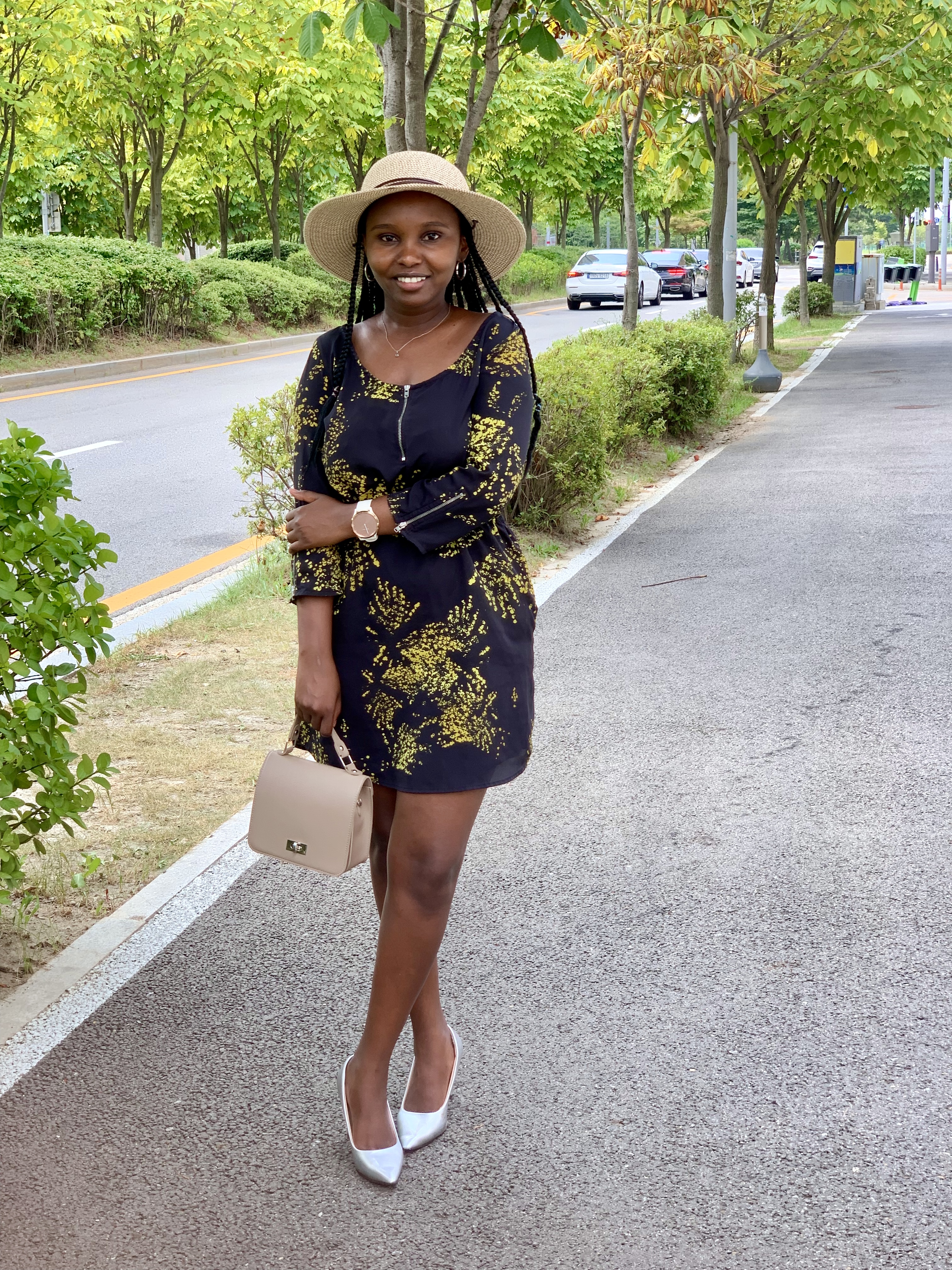
Meet Ruth
I have spent years learning that good research starts long before the method.
I am Dr. Ruth Mwongeli Muthoka, a mechanical engineer and materials scientist. I have spent more than eight years working across experimental and computational research, from designing studies and running experiments to modeling materials, interpreting results, publishing research, and figuring out what to do when the work does not behave the way you expected.
I know what it is to spend weeks following a question before realizing that the real problem was somewhere earlier. I know what it is to repeat an experiment because the result makes no sense, read paper after paper without feeling any closer to the answer, and build a technically sound method only to discover that it does not quite answer the question you thought you were asking.
Those experiences changed the way I think about research. A good study is not simply a collection of correct methods. The problem, question, investigation, results, and interpretation have to belong together. When they do not, working harder rarely fixes the problem. You have to find where the logic stopped holding.
That is the part of research I care most about teaching. I help researchers, technical founders, and R&D teams think through what they are actually trying to understand, whether the question is worth pursuing, what kind of investigation can answer it, what the results really allow them to conclude, and what should happen next.
Bring me the research problem you keep coming back to.
You may have a research idea that is still too vague, a question that does not quite work, a methodology problem, confusing results, an experiment that keeps failing, or several possible directions and no clear way to choose between them. Bring it. We will spend 60 minutes working through where the research is getting stuck and what makes sense to do next.
Book a Call with Me · 60 min · $150When a call isn't enough
The Deep Review
Let me spend proper time with the research before you decide what to do next.
Some research problems cannot be understood responsibly in a 60-minute conversation. You may need me to read the proposal, follow the research logic, look closely at the methodology, examine results or model assumptions, or understand how several pieces of the work fit together.
That is what The Deep Review is for. You send me the agreed material. I spend proper time with it, then give you an independent research view of where the work is strong, where the logic may be breaking, what I would question, and what deserves attention next.
What's included
- ✓ A short scoping call to agree on the research problem and scope
- ✓ Review of the agreed research materials
- ✓ Independent assessment of the problem, question, design, assumptions, results, interpretation, and relevant gaps
- ✓ A written Deep Review setting out my findings, concerns, and recommended priorities
- ✓ A findings call to work through the review together
$1,500
Application required. If your application is a fit, we start with a $150 scoping call. If we proceed with the Deep Review, the $150 is credited toward the $1,500 fee.
Learn moreWhat you leave with
- ✓ A clearer view of whether the research holds together from problem to conclusion
- ✓ The parts of the work that are already well supported
- ✓ Assumptions, methodological issues, or gaps that may be weakening the study
- ✓ A clearer understanding of what your results do and do not allow you to conclude
- ✓ The research questions or decisions that deserve attention next
- ✓ A written review you can return to after the engagement
Two ways to work with me
What I can help with
01
Finding the Real Research Problem
Working out what is actually unresolved beneath a broad topic or interesting idea, whether the gap you think you have found is real, and why the problem is worth investigating.
02
Research Questions & Scope
Turning the problem into a question that is clear, answerable, appropriately scoped, and capable of producing an answer that actually matters.
03
Methodology & Research Design
Working out what you need to observe, measure, compare, model, or investigate, and whether the method you are considering can genuinely answer the question.
04
Results, Interpretation & What Comes Next
Making sense of confusing, unexpected, or incomplete results, understanding what the work does and does not support, and deciding whether to repeat, redesign, investigate further, or change direction.
Resources
The research guides I wish I had earlier.
Practical guides and tools for finding the real research problem, asking better questions, choosing methods that actually fit the question, making sense of results, and knowing what to do when the work gets messy. Some are free, some go deeper. Start with the problem you are trying to solve.
Start here · Before the method
Before You Choose a Method
This guide is designed to help you work out whether you actually have a research problem, whether the question can be answered, and what needs to be clear before you choose a method.
Inside:
- → The difference between a topic, a problem, a gap, and a research question
- → Bad, mediocre, and strong examples, with explanations
- → The Research Spine, a seven-part way to check whether your study holds together before you start
- → A nine-question Research Question Stress Test
- → A Method-Last Test to stop you choosing methods because they are familiar, fashionable, or available
- → Worked cases from experimental, computational, and people-based research
- → A one-page Research Readiness Check you can use before writing a proposal or starting data collection
- → A short section on using AI without handing over the thinking that makes you a researcher
Free · PDF
Get the guide ↗Research design guide
Design Research That Holds Together
A practical research-design handbook for moving from the problem through the question, literature, methodology, investigation, interpretation, and the conclusions you can responsibly defend.
Inside:
- → A practical process for moving from a vague idea to a research problem worth investigating
- → How to read literature to change your understanding rather than merely collect citations
- → How to design research questions that are answerable, consequential, and appropriately scoped
- → How to decide what kind of evidence would actually answer the question
- → How to choose methods from the question rather than force questions around familiar methods
- → Experimental, computational, and people-based worked cases throughout
- → Tools for assumptions, variables, measurement quality, controls, comparison, bias, uncertainty, and validity
- → A section on exploratory vs confirmatory work, preregistration, and honest interpretation
- → How to diagnose failed, confusing, or inconclusive research
$49 · PDF
Get the guide ↗I'm also building EcoRue
EcoRue grew out of a problem I kept seeing in research: good ideas can stall long before they reach practical use, not because the thinking is weak, but because the tools, infrastructure, expertise, or connections needed to take the work further are not always within reach. I am building EcoRue as an R&D company around that gap, beginning with sustainable materials, computational research, and the systems that help promising research move closer to real-world use.
I also write about research, how good ideas develop, and what helps ambitious work move closer to real-world use.
Read my writing ↗